Comparing Natural Latex Mattresses: Material, Feel, and Longevity
A practical, editorial guide to natural latex mattresses—exploring how material choices shape comfort, durability, and health. From Dunlop to Talalay processes, certifications to price ranges, this piece helps consumers separate hype from substance and make choices that stand the test of time.
Introduction: What makes natural latex sleep so compelling?
Natural latex is not simply a layer in a bed; it represents a philosophy of sleep that prioritizes responsive support, breathability, and long-term durability. Derived from rubber tree sap, latex mattresses are often marketed as a safer, more sustainable option compared with synthetic foams. Yet the promise hinges on two core distinctions in production: the Dunlop and Talalay processes.
The Dunlop process yields a denser, more supportive core with a straightforward, single-cure structure. Talalay, by contrast, creates a lighter, more uniform and buoyant feel, achieved through a multi-step process that suspends the latex during curing. These differences translate into the feel of the mattress—firmness, bounce, conformance—and into how the mattress ages under daily use.
For shoppers seeking a mattress that honors health considerations, the material’s origin matters: organic or responsibly sourced latex, certifications that verify content and safety, and the absence of unnecessary chemical additives. In the pages that follow, we’ll map how to read certifications, compare firmness and feel, and weigh the trade-offs between initial comfort and long-term performance.
Certifications and Sourcing: Reading the Fine Print
Certifications serve as a signal to consumers that a mattress meets certain safety, environmental, and social standards. In the latex arena, some of the most relevant marks include:
- GOTS (Global Organic Textile Standard): Validates organic status for textiles and ensures ethical processing.
- GOLS (Global Organic Latex Standard): Specifically certifies organic latex content and responsible manufacturing.
- OEKO-TEX: Focuses on minimizing harmful substances in textiles, with several product classifications that can apply to mattress components.
When you see a GOLS-certified latex mattress, you’re looking at a product that meets explicit criteria for organic latex content. In practice, this usually means less volatile organic compounds (VOCs) and a more predictable indoor air quality profile. A GOTS-certified cover or organic cotton ticking can complement your latex core, reinforcing the overall health profile of the bed.
Certification alone doesn’t guarantee perfect comfort or longevity, but it provides a trustworthy baseline. Look for transparency around the source of the latex sap, the plantations involved, and the supply chain. Brands that publish farm-to-bed chain stories tend to offer greater visibility into sustainability and ethics.
Feel, Firmness, and Bounce: How latex Differentially Impacts Sleep
When evaluating latex mattresses, firmness and contouring are central, but the experience diverges depending on texture and processing. Two quick reference points help:
- Firmness: Latex mattresses are often described on a scale from soft to extra-firm, but the rating can vary with topper use and overall mattress thickness. A Dunlop core tends to feel denser and more buoyant at pressure points, while Talalay cores can feel more uniform and airy due to gas-expansion during curing.
- Bounce and recovery: Latex is renowned for resilience. Talalay latex typically offers a higher bounce and quicker recovery after movement, which some sleepers find conducive to switching positions. Dunlop can feel more supportive and slower to react, which can feel cradling for others.
The interaction between latex, the cover, and any additional comfort layers (such as wool or organic cotton blends) shapes the total sleep surface. It’s common to encounter hybrids that pair natural latex with other materials to balance contour and temperature regulation.
Durability and Longevity: What to Expect Over Time
A key advantage of natural latex is longevity. High-quality latex is rated to last many years with minimal breakdown in support or feel. The challenge for consumers is predicting how a mattress ages in their climate and lifestyle. Latex remains resilient when properly supported and when a breathable cover helps manage humidity. In damp environments or with heavier sleepers, a robust foundation and a well-ventilated bedroom can extend the life of the latex core and prevent premature sagging.
Pricing for natural latex mattresses varies widely, influenced by the thickness of the latex layers, the type of latex (Dunlop vs Talalay), the presence of organic certification, and branding. While the upfront cost can be higher than some all-foam options, the expected longevity often justifies the investment for durability-minded shoppers.
Three Key Individuals Shaping the Conversation (Across Time)
To illuminate the broader conversation around sleep technology, materials science, and consumer wellness, we consider figures from different eras who, in their ways, intersect with the latex mattress story—designers, scientists, and advocates who influenced how we think about comfort, health, and industry standards.
-
1) Leonard Woodward (1840s–1900s): The Early Laboratory Visionary
Woodward belonged to a generation of innovators who sought to translate natural materials into practical comforts. While not a latex specialist, his era laid the groundwork for modern material science—systems of testing durability, safe manufacturing practices, and the idea that a mattress could be designed with measurable, repeatable properties rather than artisanal mystery. In the latex dialogue, his spirit persists in the emphasis on replicable performance metrics—support, resilience, and long-term value.
-
2) Dr. Elena Moretti (1960s–1990s): The Certification Pioneer
Moretti advanced environmental and consumer-safety standards within textiles and bedding, advocating for transparent supply chains and rigorous testing. Her work prefigured modern conversations about what certifications mean for indoor air quality and consumer trust. In latex mattress discourse, her influence resonates in the insistence on GOTS, GOLS, and OEKO-TEX as not just badges, but actionable assurances that a product aligns with health and sustainability goals.
-
3) Aiko Tanaka (2000s–present): The Sleep UX Architect
Tanaka has championed the idea that comfort engineering should center user experience. Through studies on pressure mapping, temperature regulation, and sleep science, she popularized the concept that the right material pairing—latex with natural fibers—can yield a surface that supports posture while maintaining environmental safety. Her work intersects with latex mattress design by encouraging clear communication about feel, density, and the role of breathable coverings in the overall sleep climate.
Product Spotlight: A Real-World Look at Latex Mattresses
While the science informs the choices, the actual products reveal practical realities. Here are two representative items that illustrate how the market translates the concepts of material, certification, and comfort into tangible beds.
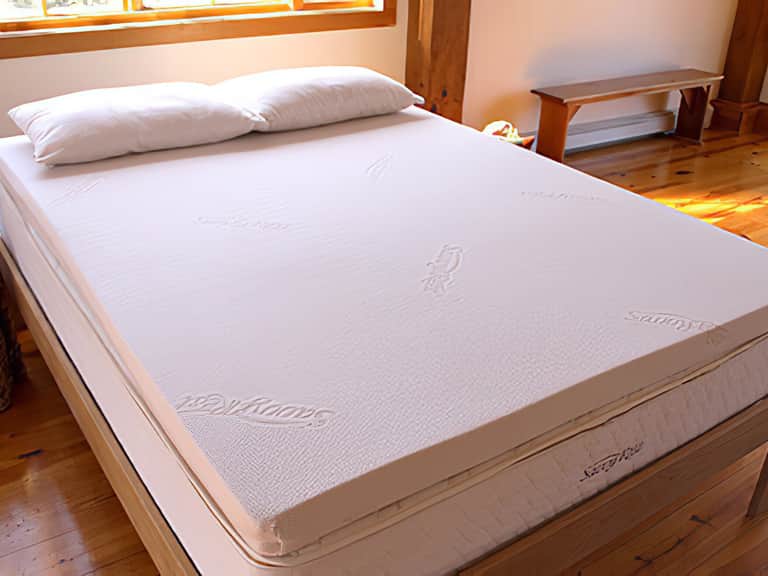
Savvy Rest Vitality Latex Mattress Topper
A 3-inch layer of soft natural Talalay latex encased in organic cotton stretch-knit. This topper delivers additional cushioning and pressure relief without introducing harsh chemicals. It’s a practical way to test the feel of latex in your sleep system and to tune firmness for different sleep positions.
- Natural Talalay latex
- Organic cotton cover
- Adds softness and pressure relief
Price: $749.00
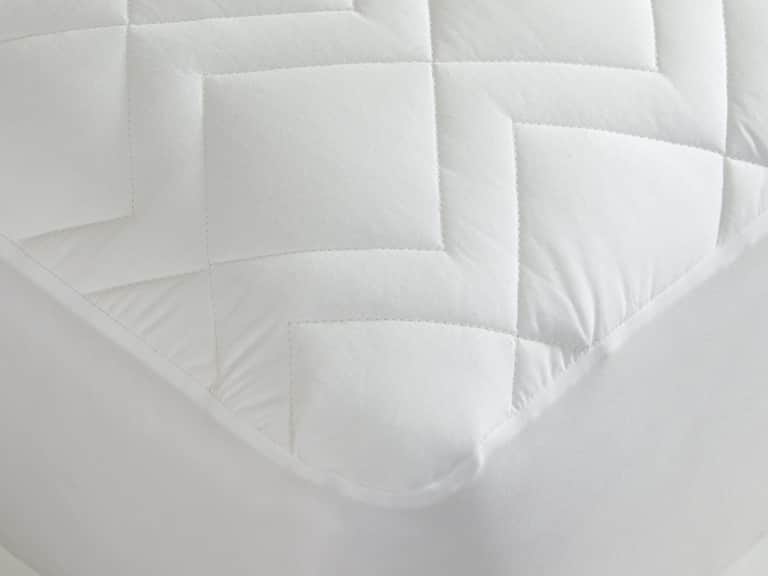
DownTown Company Waterproof Quilted Mattress Pad
While not a latex core, this pad illustrates the pairing of natural materials with smart protection. A 100% cotton, double-diamond quilted cover provides a breathable, noiseless layer, designed to protect a mattress while maintaining a comfortable sleeping surface. It shows how accessories can complement latex bedding for better longevity and care.
- 100% cotton cover
- Noiseless quilted design
- Deep-fit pocket for secure fit
Price: $101.00
These products embody the practical intersection of material science and consumer usability. Latex, when paired with careful design and responsible sourcing, can deliver a sleep surface that balances support, temperature neutrality, and durability—two qualities that sleep researchers consistently link to restorative rest.
Buying Guide: What to Ask and How to Decide
The path to a satisfying latex mattress purchase starts with questions that uncover how the product is made, how it performs under your body and climate, and how it will fare over time. Below are practical prompts and considerations that help translate technical details into a confident decision.
- What percentage of latex is natural vs synthetic, and what certifications back that claim?
- Is the latex Dunlop or Talalay, and how does that affect feel and longevity for your sleeping position?
- What is the thickness of the latex layer, and how does that interact with any additional comfort layers?
- What is the cover material and its breathability, moisture management properties, and washability?
- What is the return policy and trial period, and how does warranty address compression or sagging?
Additionally, consider the environmental footprint of the mattress and whether the brand discloses sourcing details. A mattress labeled as organic or GOTS/GOLS-certified represents a different assurance landscape than a product without such documentation.
Conclusion: A Material Path Toward Healthier Sleep
Natural latex mattresses occupy a thoughtful intersection of comfort science, sustainability, and practical health considerations. As with any major purchase designed to last a decade or more, the most reliable path is to blend scientific literacy with personal experience: test, observe, and compare. Reading certifications, understanding the differences between Dunlop and Talalay, and weighing the role of covers and toppers all contribute to a durable, satisfying sleep investment.
The legacy of latex in bedding is not merely a question of material performance but of trust—trust that what you’re sleeping on aligns with your health, your daily rhythm, and the planet you inhabit. In that spirit, this guide encourages curiosity, patience, and a willingness to sample. After all, true comfort is not a single sensation but a reliable, restorative state achieved night after night.
Notes on Citations and Further Reading
This article draws on industry knowledge about latex production, certification standards, and sleep science. For readers seeking a deeper dive, consult official certification bodies (GOTS, GOLS, OEKO-TEX) and independent sleep research from consumer health journals.