Bedding Guide
How to Choose Sheets for a Cooler, More Comfortable Bed
Sheets are the part of a bed you meet first—and the part you may notice all night. Fabric, weave, and fit shape how bedding feels against the skin, how air moves through it, and whether it stays smooth over the mattress. The right choice is not necessarily the most expensive or the one with the highest thread count. It is the one that suits your comfort preferences, climate, sleep habits, and bed.
A warm night can make small bedding details feel consequential. A sheet that clings, traps moisture, or pulls tight at the corners may turn a comfortable mattress into a restless surface. Yet no sheet can control body temperature on its own: room conditions, sleepwear, mattress materials, blankets, and individual differences all matter. Sheets are one part of that larger sleep environment, but they are a part you can choose carefully.
Start with three practical questions. What is the sheet made from? How is its fabric woven or knitted? And will it fit the full height of your mattress, including any topper or pad? These details offer more useful clues than grand claims about luxury or a single number on a label. A good choice balances breathability, hand feel, durability, and care—not just one quality in isolation.
Begin with the feel you want
“Cool” can mean several things. Some sleepers want a crisp, dry-feeling surface; others prefer a soft, fluid fabric that does not feel heavy. Some are sensitive to friction or texture, while others value a sheet that feels substantial and cozy. These preferences matter because there is no universally coolest sheet for every person and every bedroom.
It also helps to distinguish an initially cool touch from lasting comfort. A fabric may feel cool when you first lie down because it draws heat from the skin quickly, yet still feel warm after hours beneath blankets. Another may feel neutral at first but manage moisture well enough to remain comfortable. Weave, fiber, fabric weight, room temperature, and bedding layers work together, so evaluate the whole bed rather than expecting a label to promise a particular night’s sleep.
If possible, notice what you already like. Do you sleep comfortably in a light cotton shirt, or do you prefer smooth, silky fabrics? Do you wake up warm, or is the problem mainly that your sheets feel rough or clingy? Those observations make a useful starting point before comparing materials.
Compare common sheet fabrics
Fiber is the raw material; fabric is what that material becomes after spinning and construction. Cotton, linen, bamboo-derived rayon, and polyester are among the materials found in sheets. Each can be made in different weights and structures, so fiber alone does not tell the whole story. Still, knowing the broad characteristics of common options can help narrow the field.
Cotton: familiar and adaptable
Cotton sheets are widely available and come in a range of finishes, from crisp percale to smooth sateen. Their feel depends on more than the word “cotton”: yarn quality, fabric weight, finishing, and weave all play a role. Lightweight cotton may suit people looking for an airy surface, while denser constructions can feel smoother or more substantial.
Labels may describe cotton as long-staple, but that detail should be considered alongside the finished fabric and the maker’s care information. Staple length can affect yarn characteristics, yet it is not a complete measure of comfort or durability. When comparing sheets, look at how they feel, how they are constructed, and whether their maintenance requirements fit your routine.
Linen: textured, relaxed, and breathable
Linen is made from flax fibers and is known for a distinctive, slightly textured hand. Many people value its relaxed appearance and the way it softens with use. It often feels less slick than sateen and can be appealing in warm conditions, though its texture is not everyone’s preference. Linen can also wrinkle readily; for some, that is part of its casual character, while others would rather have a smoother bed.
Because linen construction and weight vary, one set may feel light and open while another feels heavier. Check care instructions before buying, particularly if you prefer bedding that needs minimal attention after washing.
Bamboo-derived fabrics: smoothness with construction in mind
Sheets marketed as bamboo are often made from regenerated cellulose fibers, such as rayon or viscose derived from bamboo. They may feel soft and drapey, which some sleepers enjoy. The phrase “bamboo” by itself does not establish how breathable a finished sheet will feel, how it was processed, or how it should be cared for. Read the fiber content and care label, and compare the actual fabric rather than relying on broad claims.
Polyester and blends: practical, but not one-size-fits-all
Polyester and cotton-polyester blends are often chosen for convenience, wrinkle resistance, or price. They can be durable and easy to maintain, but their feel and heat management vary by construction. A tightly made or heavier synthetic fabric may feel warmer to some people than a lightweight cotton or linen sheet. If staying cool is a priority, pay attention to fabric weight and hand feel, and consider whether a blend feels comfortable in the climate where you sleep.
Weave changes the experience
Two sheets made from the same fiber can feel strikingly different because their yarns are arranged differently. Weave affects surface texture, drape, weight, and the way air passes through the fabric. For cotton sheets in particular, percale and sateen are common constructions worth knowing.
Percale: crisp and matte
Percale uses a straightforward over-under weave that tends to create a matte surface and a crisp hand. It is often a good starting point for someone who dislikes a slick feel or wants sheets that seem light and fresh. The fabric may soften with repeated washing, though the exact result depends on the yarn, finishing, and care.
People sometimes describe percale as “cool,” but that should be understood as a common tactile impression rather than a guarantee of lower body temperature. A percale sheet that is heavy, tightly finished, or covered by several thick layers can still feel warm in a hot room.
Sateen: smooth and drapey
Sateen uses a different weave structure that gives the fabric a smoother surface and a subtle sheen. It often feels soft and fluid, which can be appealing to sleepers who want a gentler glide against the skin. That drape may also feel more enveloping than crisp percale. If you tend to overheat, try to assess the fabric’s weight and your overall bedding setup rather than assuming every sateen sheet will be too warm.
Jersey and other knitted fabrics
Jersey sheets are knitted rather than woven. Their familiar, T-shirt-like stretch can feel soft and casual, and they tend to move easily over the mattress. Some people find that stretch comfortable; others prefer the flatter, more tailored feel of a woven sheet. As with other constructions, thickness matters: a light knit and a heavy knit will not feel alike.
Thread count is not a shortcut to comfort
Thread count refers to the number of threads counted within a defined area of fabric, but comparisons can be confusing when counting methods, yarns, or construction differ. A higher figure does not automatically mean a cooler, softer, or longer-lasting sheet. It may indicate a denser fabric, which could feel substantial rather than airy. Treat thread count as one piece of information, not a verdict. Fiber, weave, weight, finishing, and your own preferences provide a fuller picture.
Fit is comfort, not just housekeeping
A sheet that pops off a corner in the night is irritating. One stretched too tightly across the mattress can also alter the feel of the surface and make it harder to keep the bed neatly made. For a reliable fit, measure the mattress height and compare it with the fitted sheet’s stated pocket depth.
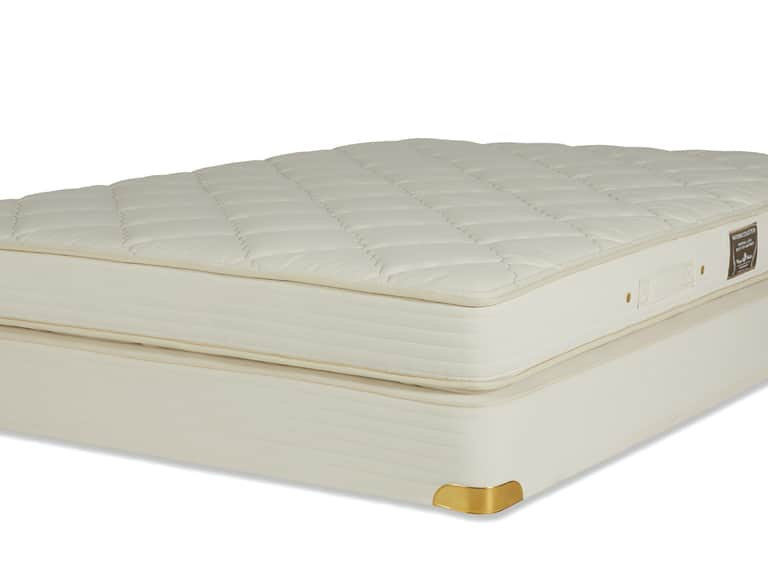
Measure from the bottom edge to the top of the mattress, including any pillow top or built-in cushion. Then account for anything you regularly place on top: a mattress pad, protector, or topper. These layers add height. A sheet that fits the bare mattress may not fit once the rest of the bedding is in place.
Fit guidance is not always identical from one brand to another. A stated pocket depth may describe the maximum mattress height, or it may leave little allowance for a thick topper. Look for details about elastic placement and the full depth the sheet is intended to accommodate. If the product information is unclear, ask before purchasing, especially for a tall or unusually shaped mattress.
Deep-pocket sheets are not automatically better. On a low mattress, excess fabric can bunch beneath the bed or feel loose at the corners. The aim is a secure, smooth fit with enough depth for the complete sleep surface—not the largest pocket available. When you change a pad or topper later, recheck the fit instead of assuming your previous sheets will still work.
Account for mattress pads and toppers
The sheet does not meet the mattress in isolation. A mattress protector or pad may add a layer of padding, change the surface texture, or influence how moisture is handled. A topper can add several inches of height and alter the way a fitted sheet needs to stretch around the bed. Together, these layers affect both comfort and fit.
If you are trying to make a bed feel less warm, consider the entire stack: mattress, protector or pad, sheets, blankets, and sleepwear. A breathable sheet cannot compensate for every other layer if the combined bedding feels heavy or restrictive. At the same time, protection may be important for keeping a mattress clean. The practical answer is not always to remove a layer, but to make sure each layer is suitable for the job and fits with the rest.
When testing new sheets, use them with the mattress and bedding configuration you actually sleep on. A sheet that feels excellent over a bare mattress may behave differently over a lofty pad. Check that it stretches comfortably over corners and that the surface remains smooth after you lie down and move around.
Use a simple comparison process
Shopping can become a contest of technical claims. A short, consistent checklist is more useful. Compare sheets by fiber content, weave or knit, fabric weight where provided, pocket depth, care needs, and return policy. Then connect each detail to a real preference: crisp or smooth, light or substantial, easy-care or willing to iron.
- Read the full fiber label. Check whether the sheet is made from one fiber or a blend, and note how the material is described.
- Identify the construction. Percale, sateen, and jersey have different surface qualities even when the fiber is the same.
- Assess weight and texture. If possible, feel a sample. Notice whether it seems crisp, slick, textured, stretchy, or heavy.
- Measure the complete bed. Include the mattress, pad, protector, and topper when checking pocket depth.
- Check washing instructions. Choose a care routine you can realistically maintain, and follow the maker’s guidance.
- Look at the return terms. A clear policy can matter when you cannot evaluate the hand feel before purchase.
When comparing options in person, take your time with the fabric. Rub a small section between your fingers, notice how it falls, and ask whether a sample has been washed. A store sample may not feel exactly like a new set, and an online description cannot reproduce touch. If buying online, use specific construction and fit details to reduce uncertainty, not adjectives alone.
Care influences how sheets age
Even well-chosen sheets can become less comfortable if they are washed in ways that damage the fabric. Care instructions vary by fiber and finish, so the label should take precedence over general advice. Overly high heat, harsh treatment, or unsuitable products may contribute to shrinkage, roughness, fading, or weakened fibers.
Wash sheets on the schedule that suits your household, climate, and personal needs. Avoid overloading the machine; bedding needs room to circulate. Drying methods also affect the result. Some fabrics benefit from lower heat or line drying, while others can tolerate routine machine drying. If a sheet feels stiff after washing, check whether detergent residue, water conditions, or drying practices may be contributing.
Pay attention to expected shrinkage when buying fitted sheets. A set that starts with a generous fit may settle after laundering, while one that barely fits may become difficult to secure. Follow instructions about prewashing and consider this possibility alongside pocket depth.
A few common myths, reconsidered
“The highest thread count is always best.” Not necessarily. Thread count does not tell you everything about the yarn, weave, fabric weight, or finishing. A lower-count sheet with a construction you enjoy may be more comfortable than a denser one.
“Natural fibers are automatically cool.” Fiber origin alone cannot predict the experience. Weight, weave, finishing, bedding layers, and the room all matter. Look at the completed fabric and how it feels.
“One type of sheet works for everyone who sleeps hot.” People experience warmth differently. A crisp, light weave may suit one sleeper; another may prefer a smooth fabric that does not cling. Use personal experience as evidence, not a universal rule.
“A bigger fitted-sheet pocket is always safer.” Extra depth helps when a mattress and topper are tall, but too much fabric can loosen or bunch on a shorter bed. Measure first.
“Sheets can fix an uncomfortable mattress.” Sheets can change the surface feel, but they cannot replace support that is missing from the mattress. If discomfort persists, consider the bed as a whole rather than expecting a new fabric to solve every problem.
Choose for the bed you actually have
The most reliable approach is unglamorous: start with your own sleep habits, compare fabric and weave, measure the complete sleep surface, and check how much care the sheets require. If you wake up warm, consider a lighter-feeling construction and review the rest of the bedding layers. If you are comfortable but dislike the surface, prioritize texture and drape. If sheets come loose, solve the fit problem before shopping by thread count.
Think of sheets as part of the bed’s working system. They touch the skin, surround the mattress, and respond to the layers underneath. The best pair is not defined by a single fiber, weave, or price tag. It is the pair that stays comfortably in place, feels right night after night, and remains manageable to care for. In a good bed, that quiet compatibility is easy to overlook. On a restless night, it is hard to miss.
Quick checklist before you buy
- Choose the surface feel you prefer: crisp, smooth, textured, or stretchy.
- Compare fiber content with weave or knit; neither detail tells the full story alone.
- Treat thread count as one specification among several, not a quality ranking.
- Measure mattress height with every pad, protector, or topper in place.
- Check care guidance, likely shrinkage, and return terms before committing.
- Evaluate the whole bedding setup if warmth remains an issue.